
Last updated October 17, 2026
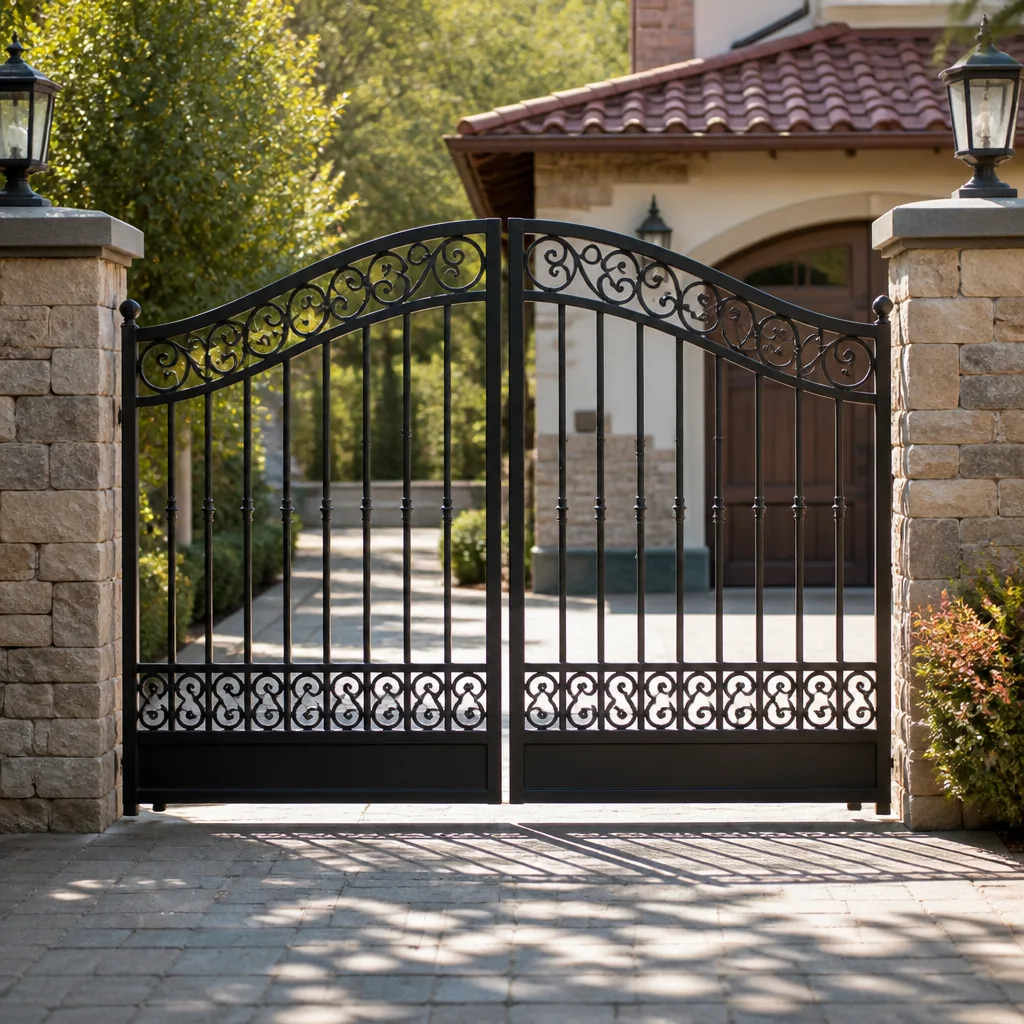 Wrought iron
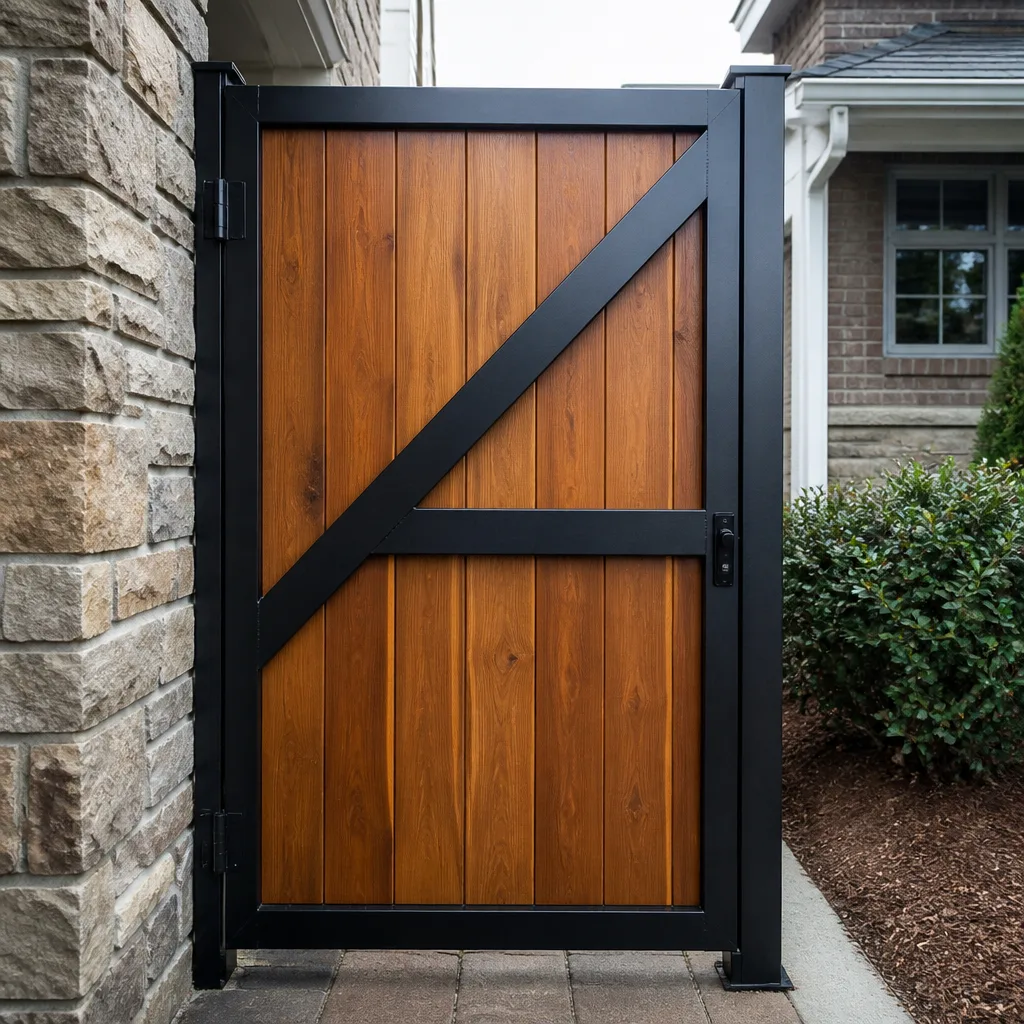 Wood & steel frame
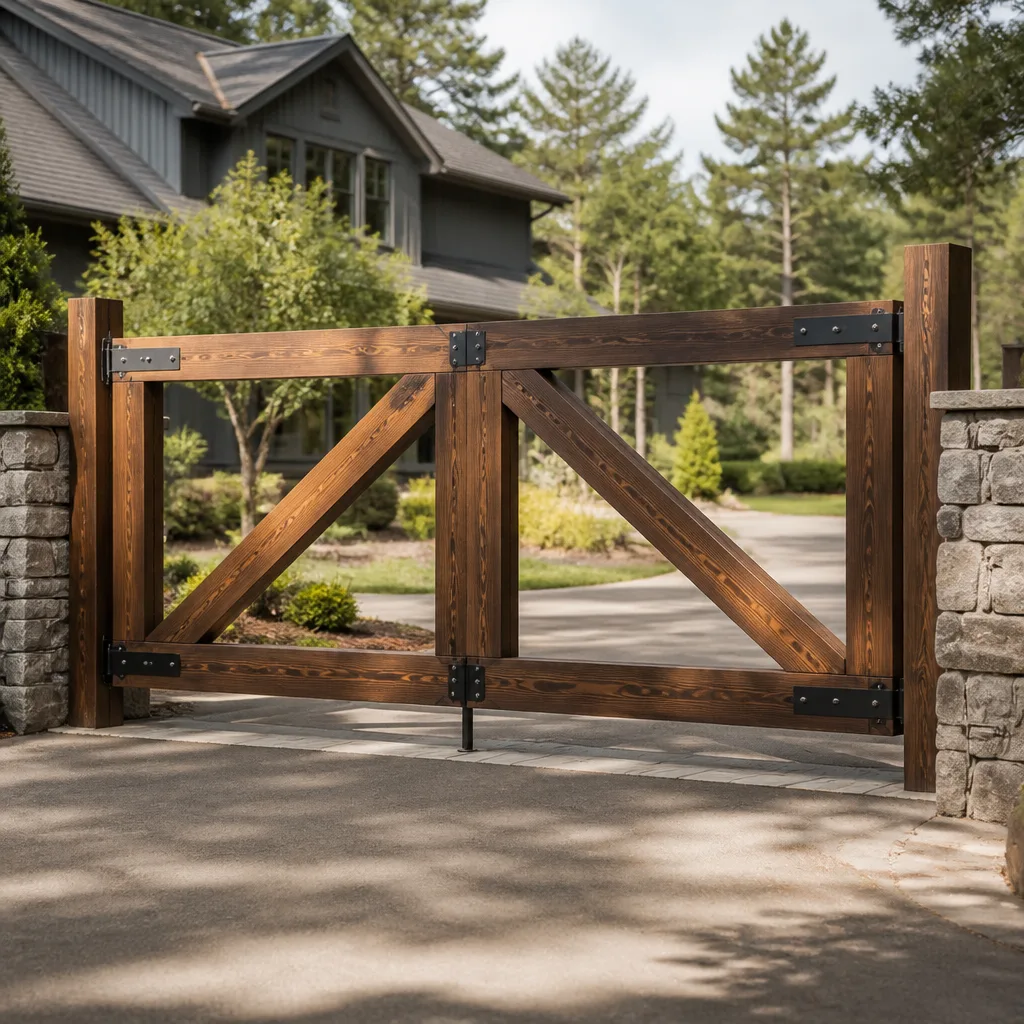 Farm & ranch
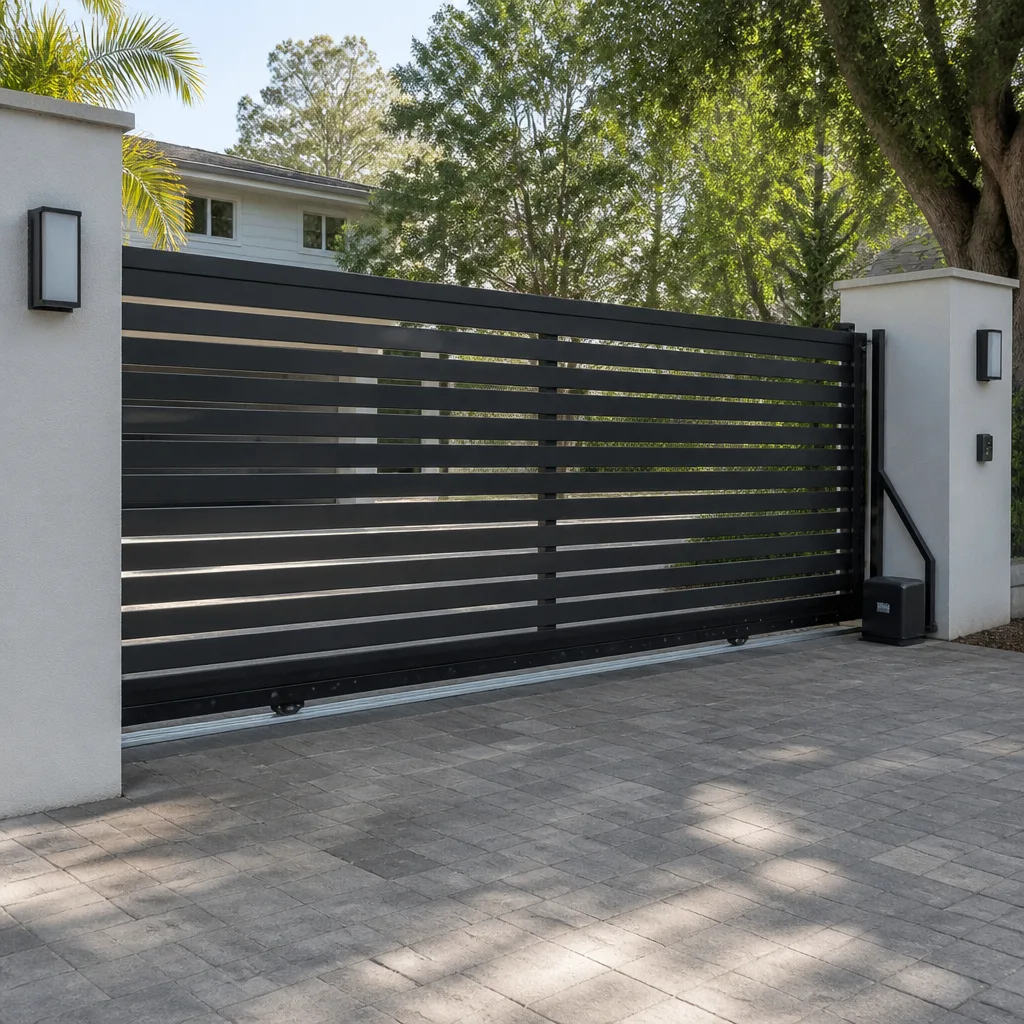 Sliding driveway gates
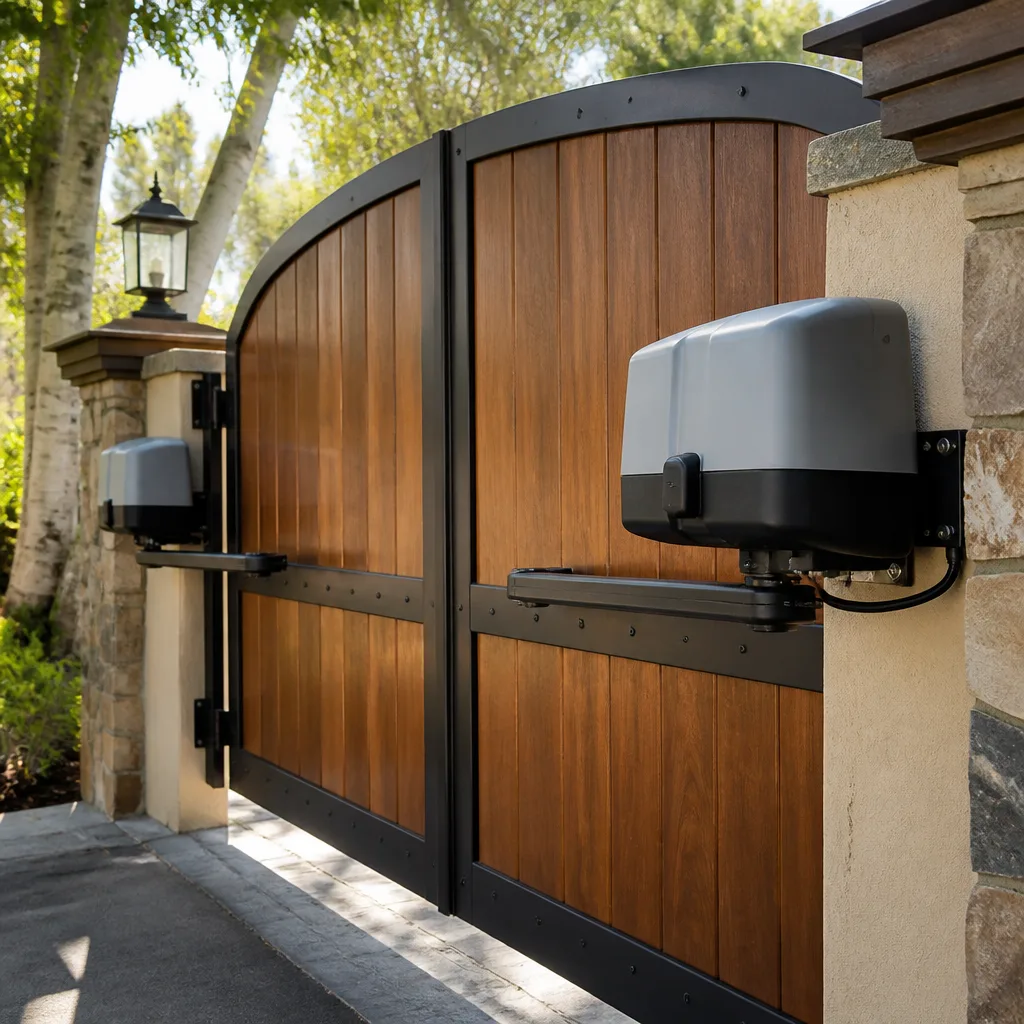 LiftMaster operators
Free on-site gate assessment - hinges, posts, and your LiftMaster or Nice gate operator checked before anything is quoted
The assessment is free and the quote is the invoice.
Get your free estimateThe Complete Guide to Gate Repair in Sacramento
Sacramento’s clay-heavy soil shifts up to two inches vertically between the wet season and the dry months, and that single fact explains why roughly half the “broken latches” we see across Sacramento aren’t latch problems at all. The gate didn’t fail. The ground beneath it moved, the post tilted, and the latch stopped lining up. This guide organizes gate repair by root cause rather than by symptom, so you understand why a fix keeps failing before you pay for it a second time. You’ll learn the three failure patterns specific to our microclimates, what a documented repair visit should look like, honest local cost ranges, and which repairs should carry a real workmanship promise.
Styles & brands we work with
Quick Answer
Gate repair in Sacramento is a diagnosis problem more than a hardware problem. Most latch and hinge failures trace back to soil movement in clay-heavy ground, sun damage to post footings, or irrigation water pooling at the post base. A proper repair identifies the cause first, replaces only what’s actually worn, and includes a written price before any work begins. Latch and Post Gate Repair services has been doing exactly that since 2009, and you can reach a live person at (279) 266-8501 any hour of the day.
Table of Contents
- Why Sacramento Gates Fail: The Three Root Causes Nobody Talks About
- Which Gate Types Are Most Vulnerable in Each Sacramento Microclimate
- Symptom Repair vs. Cause Repair: Timelines and Real Costs
- What a Documented Repair Visit Should Look Like
- Honest Cost Ranges for Common Gate Repairs in Sacramento
- What a 365-Day Workmanship Promise Actually Covers
- Electric Gate Repair: Operator Boards, Sensors, and Battery Backups
- What You Can Safely Check Yourself (and What You Shouldn’t)
- Common Mistakes to Avoid
- When to Call a Professional
- Frequently Asked Questions
- The Bottom Line
Why Sacramento Gates Fail: The Three Root Causes Nobody Talks About
Every gate is a simple machine: a post, a hinge, a latch, and often a motor. When one of those parts stops doing its job, the immediate instinct is to replace the part. But in Sacramento, the part is usually the victim, not the culprit.
Soil movement in clay-heavy ground. Sacramento sits on some of the most expansive clay soils in California. Clay absorbs water and swells during the winter rains, then contracts and cracks during the summer. A gate post set in this soil can heave upward or tilt several degrees over a single season. The gate itself doesn’t change, but the geometry does. A latch that lined up perfectly in March can miss its strike plate entirely by August. We’ve reset posts in Natomas that had moved two inches in eighteen months.
Sun exposure and thermal cycling. Sacramento averages over 260 sunny days a year. Wood gates expand and contract with heat, and powder-coated steel gates hold afternoon heat well into the evening. Metal posts set in concrete absorb that heat and transfer it downward, which softens the bond between post and footing over time. In our experience, south-facing gates in East Sacramento and Land Park show thermal stress faster than shaded gates in the Pocket or Greenhaven.
Irrigation drift. Sprinkler heads placed too close to a gate post are a time bomb. Water pools at the base, saturates the soil, and accelerates exactly the swelling and contraction cycle described above. We regularly see posts in Davis and Elk Grove neighborhoods where a sprinkler head was installed a foot from the post, then the homeowner spent years wondering why the gate kept sagging no matter what they tightened. The fix isn’t a new hinge. It’s moving the sprinkler head and re-plumbing the post.
Understanding these three causes matters because a repair that ignores them doesn’t last. You can install new hinges on a post that’s still moving, and you’ll be back in the same conversation in six months. That’s the difference between a symptom repair and a cause repair, which we cover in depth in our DIY vs Professional Gate Repair: The Sacramento Homeowner’s Decision Guide.
Which Gate Types Are Most Vulnerable in Each Sacramento Microclimate
Sacramento isn’t one climate zone. The Delta breeze funnels wind through the western corridor, valley heat bakes the central neighborhoods all summer, and the clay belt that runs from North Sacramento through Rosemont does its own thing below ground. Each failure pattern hits certain gate types harder than others.
Delta Wind Corridor (West Sacramento, Natomas, Freeport)
The Delta breeze is a daily afternoon wind from late spring through early fall. It’s steady rather than gusty, but it creates a constant lateral load on any wide gate surface. Swing gates with full wood infill catch that wind like a sail, and the repeated pressure works the hinge screws loose over a season or two. Lightweight aluminum gates are not immune: they flex under wind load, and flexing eventually cracks welds at the frame corners. The vulnerable points here aren’t the latch; they’re hinges and weld joints.
Valley Heat (East Sacramento, midtown, Land Park, Rosemont)
Days over 100 degrees are common from June through September. Wood gates dry out and shrink, which makes them lighter but also looser: slats pull away from rails, and the gate can drop a half inch as the mortise joints loosen. Steel ornamental gates hold heat and expand, which narrows the gap between gate and post, and can cause binding at the latch edge by late afternoon. Homeowners will often tell us the gate “only sticks in summer,” which is a strong signal of a thermal fit problem, not a failed hinge.
Clay-Soil Frost Heave (North Sacramento, Carmichael, Citrus Heights, Fair Oaks)
Frost heave is a bigger issue in these pockets because clay content is high and winter nights dip below freezing more often than in the central city. Any gate post set in concrete without a deep gravel base is at risk, but the most common failures we see are wood post gates sunk less than 30 inches deep. Frost pushes the post up, the gate tilts, and the latch loses alignment before the post ever rusts or rots. If your gate stops latching every February and starts working again in May, that’s soil, not hardware.
Symptom Repair vs. Cause Repair: Timelines and Real Costs
Here’s the core idea: a symptom repair fixes what broke. A cause repair fixes why it broke. Both have their place, and a good technician will tell you which one you’re paying for before you pay for it.
Symptom repair: tightening a hinge. A hinge that’s worked loose gets snugged down in fifteen minutes. It costs $90 to $160 per hinge if the hinge itself is worn and needs replacement. If the post is stable and the hinge simply fatigued, this is the right fix, and it should last for years. If the post is moving, the new hinge will be loose again before the next season. In Sacramento, where soil movement is common, we estimate that a hinge replaced on a moving post fails again in three to eight months.
Cause repair: re-plumbing a heaving post. Re-plumbing means digging out the old footing, cleaning the post, resetting it plumb, and pouring a new footing with a gravel drainage base. It takes half a day and costs between $180 and $340 depending on footing size and access. The payoff is that the hinge problem doesn’t come back, because the post stopped moving. When a homeowner calls us for the third hinge replacement on the same post, the honest conversation is that they’ve spent $300 on symptom repairs when one cause repair at $280 would have ended the cycle.
Think of it this way. You can keep buying new tires because one wheel is out of alignment, or you can align the wheels and buy tires once. We tell every customer upfront which situation we’re looking at. The written price we provide before work begins explains which type of repair we recommend and why.
What a Documented Repair Visit Should Look Like
Most gate companies describe their work in vague terms. Here’s what a documented, accountable repair visit should actually include, step by step. If a technician shows up and skips these steps, you have the right to ask why.
- Written price before any work starts. Not a verbal estimate, not a “we’ll see how it goes.” A written number, in your hand, before a tool comes off the truck. If the scope changes during the repair, a new written price is provided before the additional work begins.
- Shoe covers at the threshold, every time. If the technician needs to enter the home, shoe covers go on before they step inside. No exceptions. Your floors should look the same after the visit as before it.
- Drop cloths on hardscape and interior flooring. Drilling, grinding, and post work create dust and shavings. A drop cloth catches that at the source, and it gets folded up and taken away at cleanup time.
- A cleanup photo before departure. Once the work is done and the tools are packed, the technician should document the work area with a photo so there’s a record of the condition they left it in. This is standard on every job we do.
- An explanation of what was done, in plain language. Not jargon. You should know what part was replaced, why it failed, and what was done to keep it from failing again. If the post was re-plumbed, the technician should show you the difference and tell you what to watch for as the soil settles.
These steps are C.A.R.E. values in practice: Clean up like it’s our own home, Ask before we move or touch anything, Respect your time and quiet hours, Explain the price before the work. If you ever hire a gate company in Sacramento and the visit doesn’t look like this, that tells you something about how the work itself was done.
Honest Cost Ranges for Common Gate Repairs in Sacramento
Dollar figures matter, so here they are. For a detailed look at pricing, see our Gate Repair Cost Breakdown: The Sacramento Homeowner’s Reference for 2026. These ranges reflect what we’ve seen across Sacramento over the past several years, and they’re the numbers you should keep in your head when someone quotes you a repair.
- Post reset or re-plumb: $180 to $340. Includes removal of the old footing, setting the post plumb, and new concrete with gravel drainage. Price varies with post size and access.
- Hinge replacement: $90 to $160 per hinge. Standard steel or adjustable hinges. Heavy ornamental hinges on large steel gates run higher.
- Latch or strike plate replacement: $70 to $140. Includes alignment so the gate latches cleanly from both sides.
- Electric gate operator board swap: $220 to $480. Brand matters here. A LiftMaster board and a Viking board are not priced the same, and availability shifts with supply chains.
- Sensor or safety edge replacement: $110 to $240 per component. Required for any automated gate, and not a place to save money.
- Full wood gate rebuild (standard 4-foot pedestrian gate): $600 to $1,200. Cedar or redwood, with proper sealing. Larger drive gates run higher.
One thing we’ll say plainly: the price you’re quoted should be the price you pay. Every job we do at Latch and Post Gate Repair Sacramento begins with a written price, agreed to before any work begins. If a company quotes a range and then invoices at the top of that range without explanation, that’s a conversation you shouldn’t have to have. For a full picture of gate repair in Sacramento, including what to expect from a service call, our service page walks through the process step by step.
What a 365-Day Workmanship Promise Actually Covers
Every repair and installation we do carries the 365-Day Done Right Promise. Here’s what that means in practice, not in fine print.
If the repair isn’t right, Latch and Post makes it right. If a hinge we installed binds, if a post we set settles out of plumb, if a weld fails, if a latch slips out of alignment, you call us and we come back. No argument about whether it’s your fault or the hardware’s fault. No pro-rated discount on a second repair. We fix it, at no charge, within the first 365 days after the original work.
What a reasonable promise covers: workmanship and the parts we installed. If the part fails under normal use, we replace it. If the installation was flawed, we redo it. What no honest promise covers: damage from a car hitting the gate, a tree branch falling on it, or a post wrenched out of the ground by a vehicle. Those are new events, not workmanship failures.
Here’s what matters most: when a homeowner calls back in month eight, a voice answers. A live person hears what happened, pulls up the job record, and schedules the return visit. You’re not calling a warranty department. You’re calling the same company that did the work. In Sacramento, where soil can keep moving long after a repair is complete, that promise is the difference between being a customer and being a case number.
Electric Gate Repair: Operator Boards, Sensors, and Battery Backups
Electric gates bring their own failure patterns, and Sacramento’s climate adds a wrinkle: prolonged heat shortens the life of control boards, and power interruptions from summer grid strain can stress battery backups.
Operator boards. The board is the brain of the gate operator, and it’s also the component most vulnerable to heat and moisture cycling. A board that gets baked in a hot metal box every afternoon will fail before the same board in a shaded coastal climate. Symptoms of a failing board: the gate opens but won’t close, the remote works intermittently, or the operator hums but doesn’t move. Board replacement on LiftMaster and Viking operators typically runs $220 to $480 in Sacramento, and it’s almost always cheaper than replacing the entire operator.
Safety sensors and edges. Every automated gate is required by code to have a primary entrapment protection device: photo eyes, contact edges, or both. If a sensor fails, the gate should refuse to close, which is a safety feature doing its job. We see a fair number of sensor failures in Sacramento where irrigation overspray has corroded the wiring. Replacing a sensor runs $110 to $240, and it’s the kind of repair you don’t postpone.
Battery backups. Gates with battery backup keep working during power outages, which matters in a city where summer outages happen. Batteries last three to five years, and failure signs include slow gate movement or a gate that stops midway. If your automated gate has a battery and you’ve never replaced it, it’s probably time to check it.
We train our technicians on the brands Sacramento homeowners actually own: LiftMaster, FAAC, BFT, Linear, Viking, Ghost Controls, DoorKing, and Elite. If your gate uses a system outside that list, we’ll tell you honestly whether we can help or whether you need the original installer. For more on the electric side of gate work, our electric gate repair in Sacramento page covers operators, safety systems, and access controls in depth.
What You Can Safely Check Yourself (and What You Shouldn’t)
Some checks are safe for anyone to do with a wrench and a sharp eye. Others involve tension, weight, or electricity, and those belong with a trained professional.
Safe to check yourself:
- Stand back and look at the gap between the gate and the post at the latch side. Is it even top to bottom? If the gap is wider at the top, the post is moving.
- Open and close the gate slowly with a hand on the top rail. Do you feel a hitch at any point? That’s often a worn hinge or a sagging frame.
- Look at the ground around the post base. Is water pooling there after irrigation runs? Is the soil pulling away from the concrete? Both are fixable soil problems.
- Check for visible rust at hinge welds and bolt points. Surface rust is cosmetic; flaking or pitting is structural.
Leave to a professional:
- Anything involving a tensioned spring or a heavy gate off its hinges. A falling gate weighs hundreds of pounds.
- Any electrical work on an automated gate. Operator boards carry live current even when the gate is idle.
- Post removal and resetting. Digging out a footing without damaging surrounding hardscape is harder than it looks.
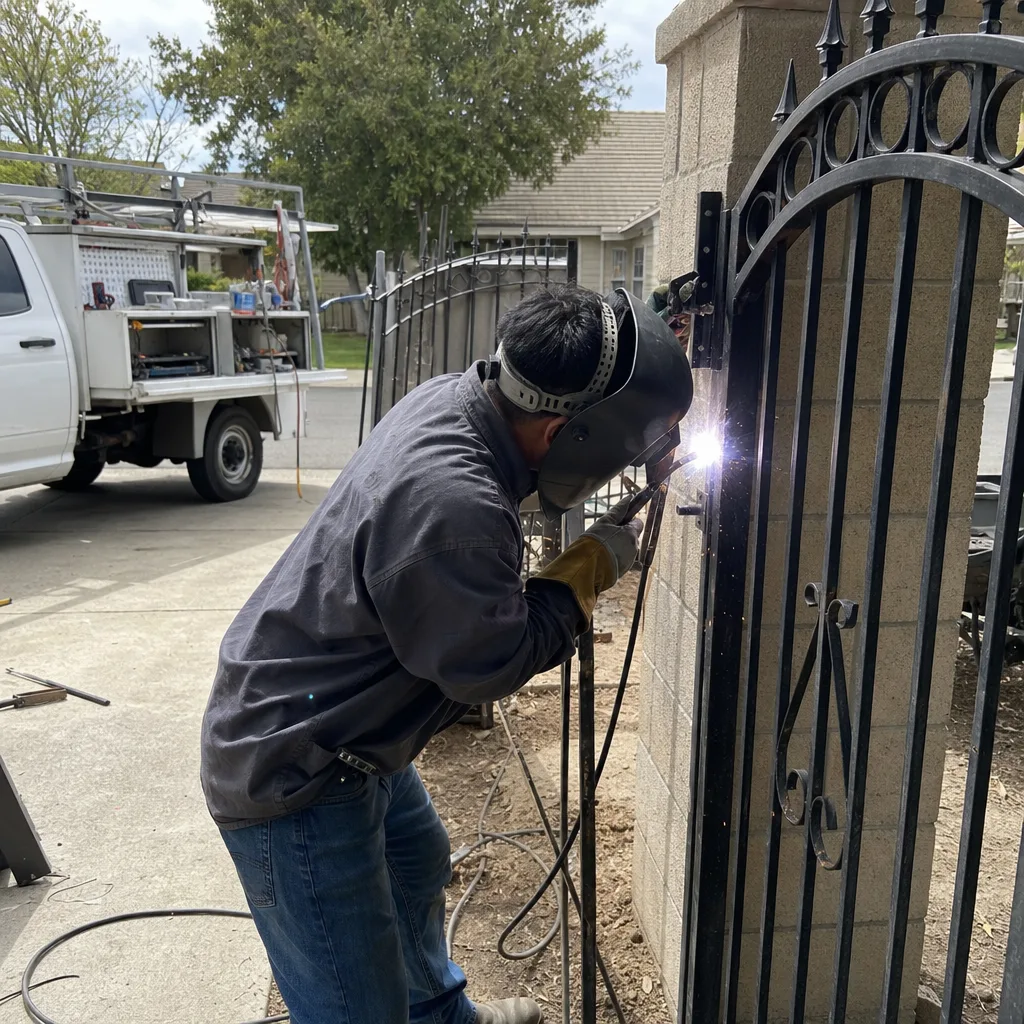
- Welding. A bad weld fails suddenly and without warning.
We’re happy when a homeowner calls us having already checked what they can check. It makes the conversation faster and the written price more accurate. For anyone considering a full replacement rather than a repair, our gate installation in Sacramento guide covers what a new gate should include and what to expect from the installation process.
Common Mistakes to Avoid
- Replacing the latch before fixing the post. If the post is heaving or tilted, a new latch will misalign again within months. In Sacramento’s clay soil, the post is the first thing to check when a latch stops catching.
- Ignoring irrigation overspray on the gate post. A sprinkler head hitting a post or its footing guarantees ongoing soil movement. Move the sprinkler head first, then repair the gate.
- Lubricating hinges with the wrong product. Household oil attracts dust and grit, which accelerates hinge wear. Use a dry graphite or a purpose-made hinge lubricant, or choose a pet-safe option if animals are in the yard. We choose pet-safe lubricants where there’s a choice, and we can schedule around nap time if quiet matters.
- Accepting a verbal price. If a company won’t put the number in writing before work starts, the number can change after work starts. Written pricing is standard for any reputable gate repair company in Sacramento.
- Postponing an electric gate safety sensor repair. A sensor that fails means the gate may not stop when it should. That’s a safety issue, not a convenience issue. Fix it now.
- Buying cheap imported hinges to save $40. The hinge is the load-bearing component of the entire gate assembly. Cheap steel shears under stress, and replacing it twice costs more than buying a quality hinge once.
- Painting over rust without treating it. Rust continues under paint. Sand it, treat it with a rust converter, then paint. Or the hinges rot from the inside while looking fine from the outside.
When to Call a Professional
Call a professional when the gate is heavy and off its hinges, when the post has visibly moved, when any electrical component is involved, or when you’ve tightened the same hinge twice and it’s loose again. Those are structural and safety problems, not adjustment problems. If you’ve read this far and you’re not sure whether your gate needs a symptom repair or a cause repair, that’s exactly the conversation we have with Sacramento homeowners every week. Latch and Post Gate Repair Sacramento offers free estimates in Sacramento: call (279) 266-8501 and a live person will answer. We’ve been doing this work since 2009 as part of the Cedarwell family of independently owned and operated gate specialists, and we’ll tell you honestly what needs fixing and what doesn’t. For more guides & resources, visit our blog.
Frequently Asked Questions
Most gate repairs in Sacramento run between $90 and $340 depending on the repair: hinge replacement is $90 to $160 per hinge, a post reset is $180 to $340, and an electric gate operator board swap is $220 to $480. You’ll get the exact figure in writing before any work begins. Call (279) 266-8501 for a free estimate and an exact quote for your gate.
Winter rain saturates Sacramento’s clay soil, which swells and heaves the gate post upward or sideways, throwing the latch out of alignment. The fix is usually to re-plumb the post in a deeper footing with a gravel drainage base, not to replace the latch. That’s a cause repair, and it’s the one that keeps the problem from returning every February.
Many standard repairs like hinge replacement, latch adjustment, and sensor swaps can be completed in a single visit. Post resets and board replacements sometimes require a return trip if parts need to be ordered. Call (279) 266-8501 and a live person will tell you honestly whether your specific repair is a same-day job.
Our technicians are trained on LiftMaster, FAAC, BFT, Linear, Viking, Ghost Controls, DoorKing, and Elite, which covers most automated gates installed across the Sacramento area. If your operator is outside that list, we’ll tell you honestly whether we can help or whether the original installer is the better choice.
Yes. Every electric gate installation we do includes the power run, the operator, and the required entrapment protection of safety edges or photo eyes. We also verify the gate’s force setting and safety reverse before we leave. A complete installation is covered by the 365-Day Done Right Promise, and the written price includes every component before work starts.
Yes. Every visit includes shoe covers and drop cloths, and the technician documents the clean work area with a photo before leaving. It’s part of the Cedarwell C.A.R.E. values: clean up like it’s our own home, ask before we move or touch anything, respect your time and quiet hours, and explain the price before the work. If that’s not what happens, you call us and we make it right.
The Bottom Line
Sacramento gates fail for reasons that have little to do with the gate itself: soil movement in clay, summer heat cycles, and irrigation water where it doesn’t belong. Most repairs come down to a choice between fixing the symptom and fixing the cause, and the difference determines whether you’re calling a repair company once or every eight months. A documented repair visit should include a written price before work starts, shoe covers and drop cloths on your floors, and a cleanup photo before the technician leaves. That’s the standard we work to on every job we do. Latch and Post Gate Repair Sacramento is a Cedarwell-family gate specialist serving Sacramento since 2009, and our Latch and Post Gate Repair Sacramento home page has more on what makes our approach different. When your gate needs work, call (279) 266-8501 for a free estimate and a written price, with no pressure and no surprises.
Written by Cody Beckman, Owner at Latch and Post Gate Repair Sacramento, serving Sacramento since 2009.
See the difference
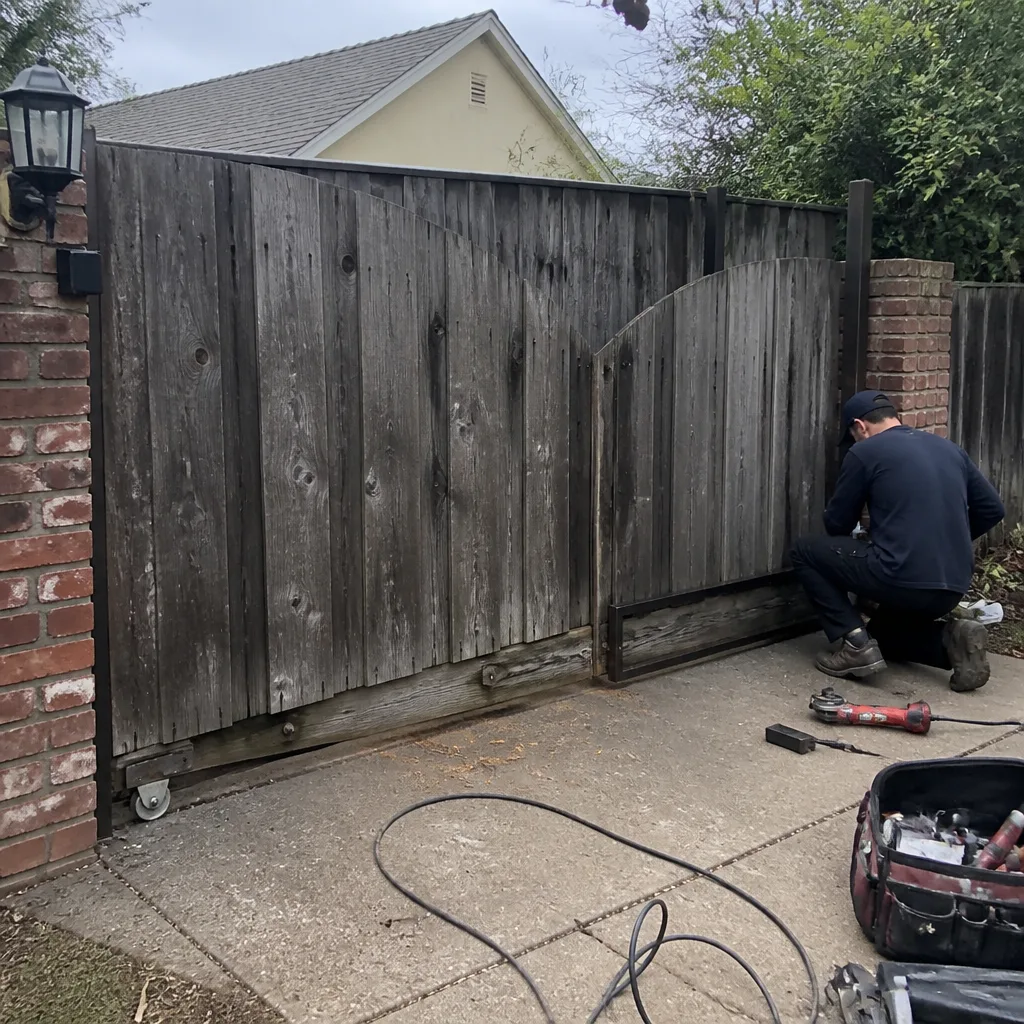 Before
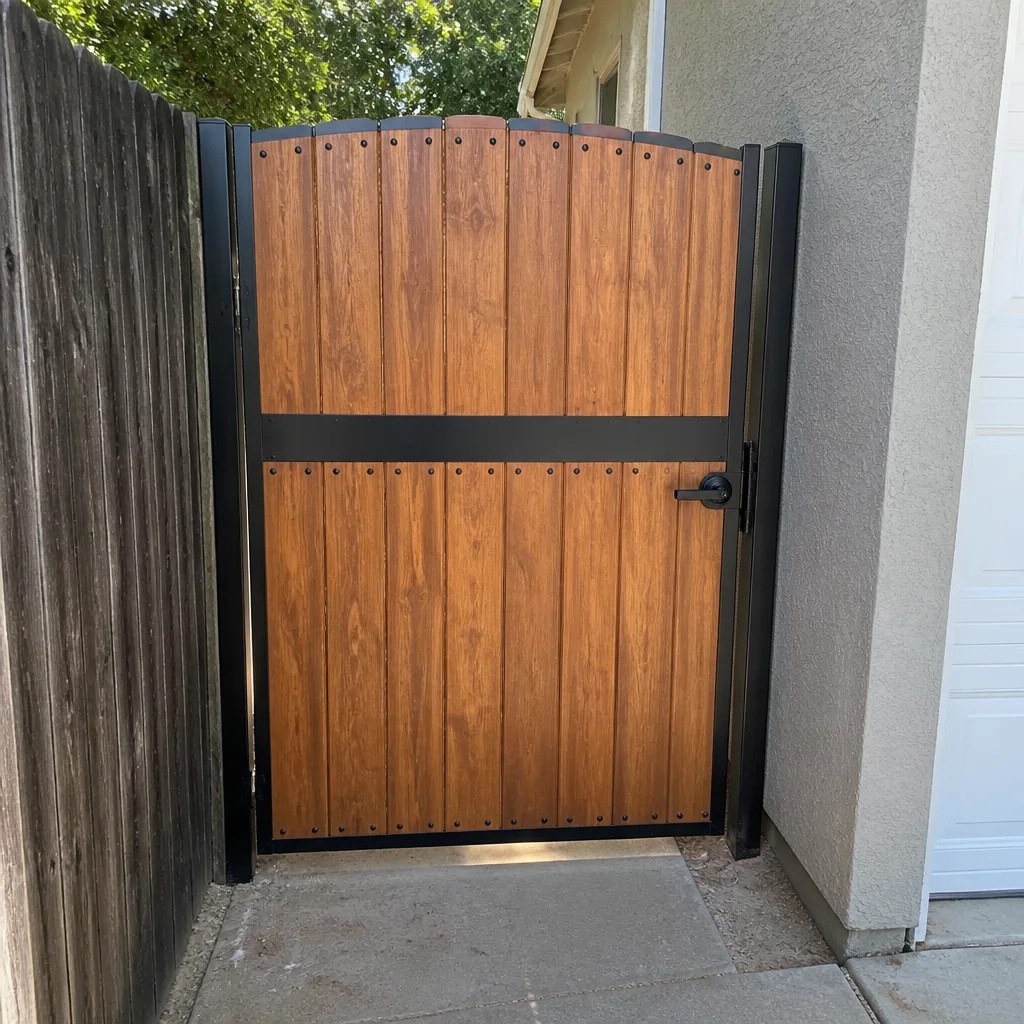 After
After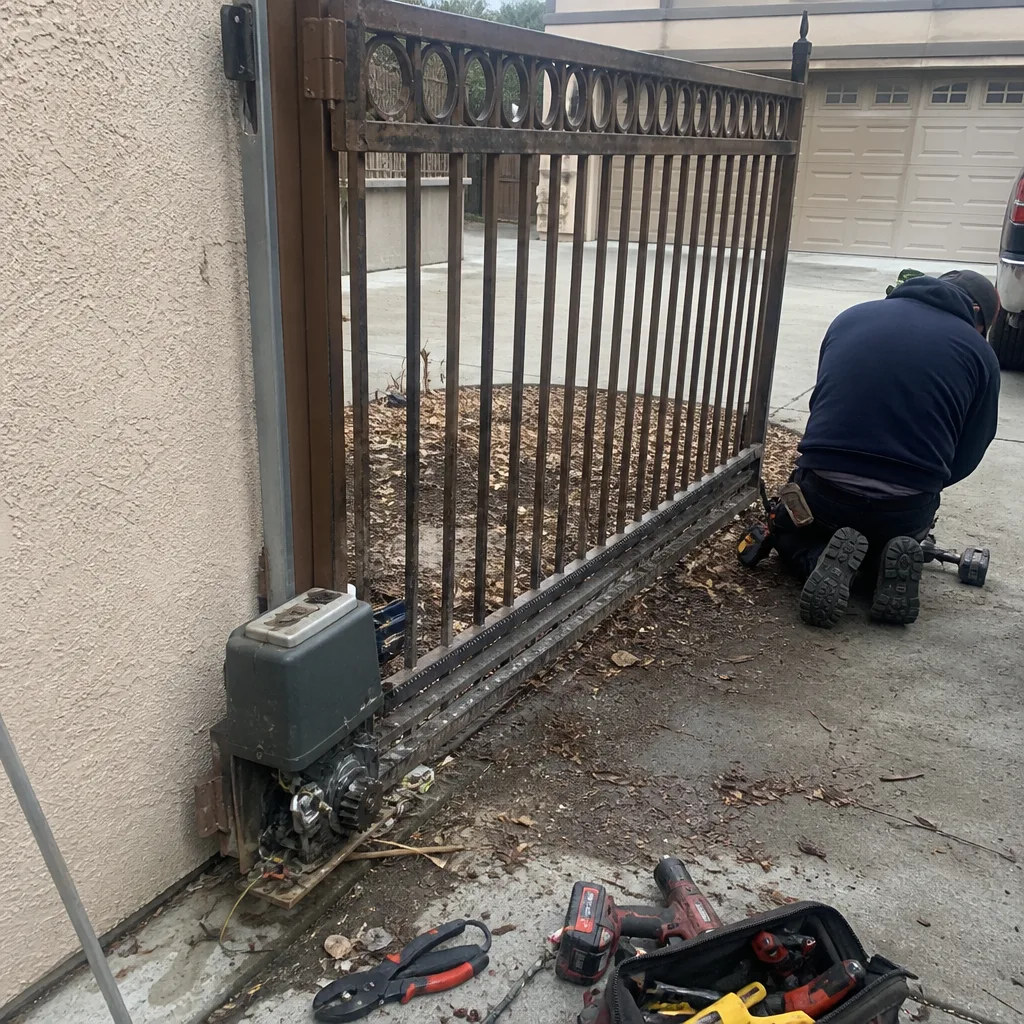 Before
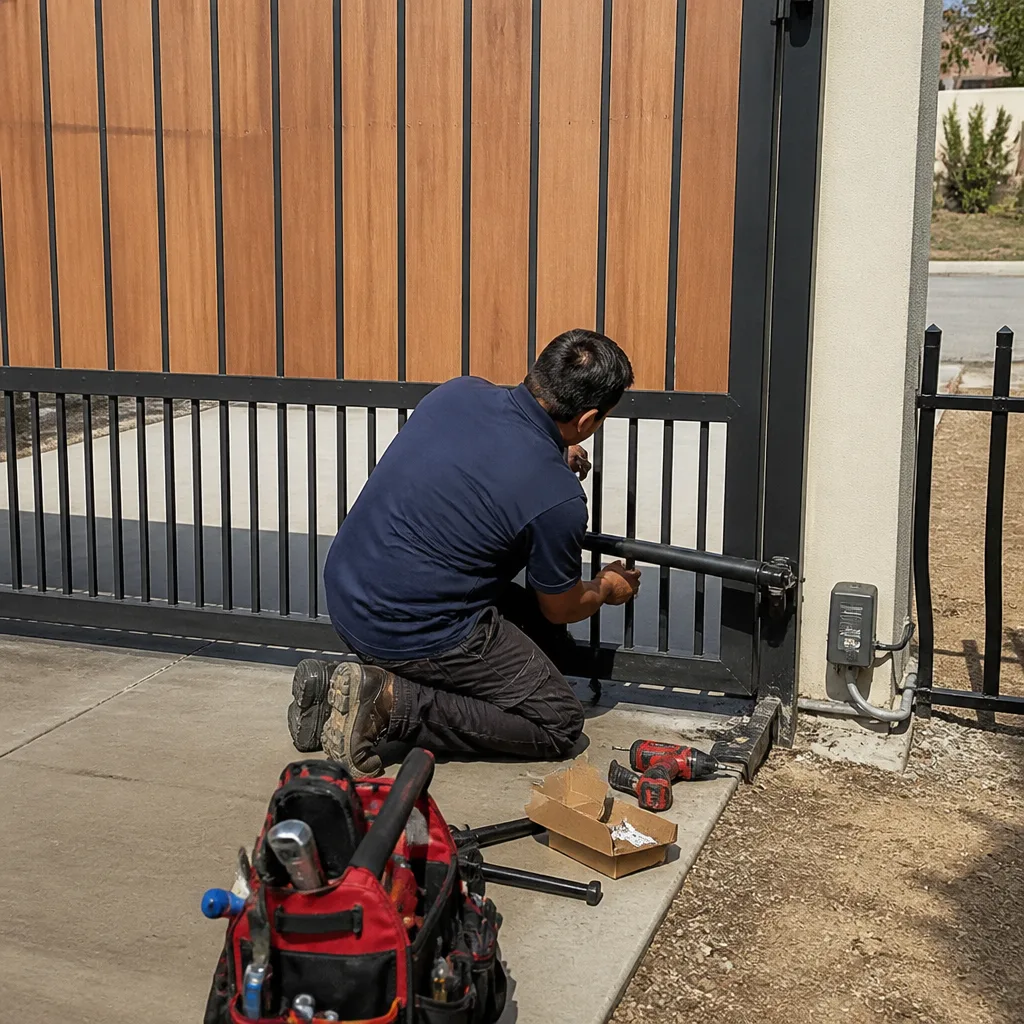 After
After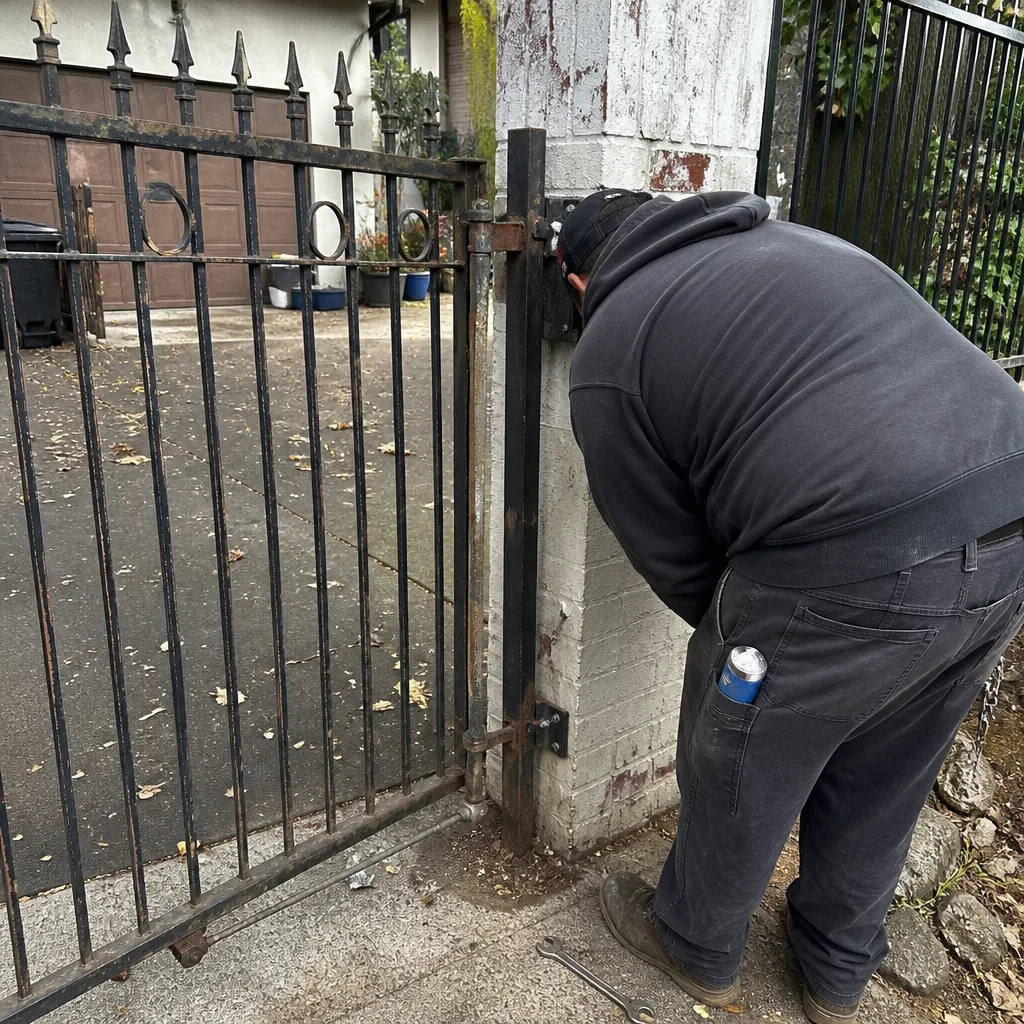 Before
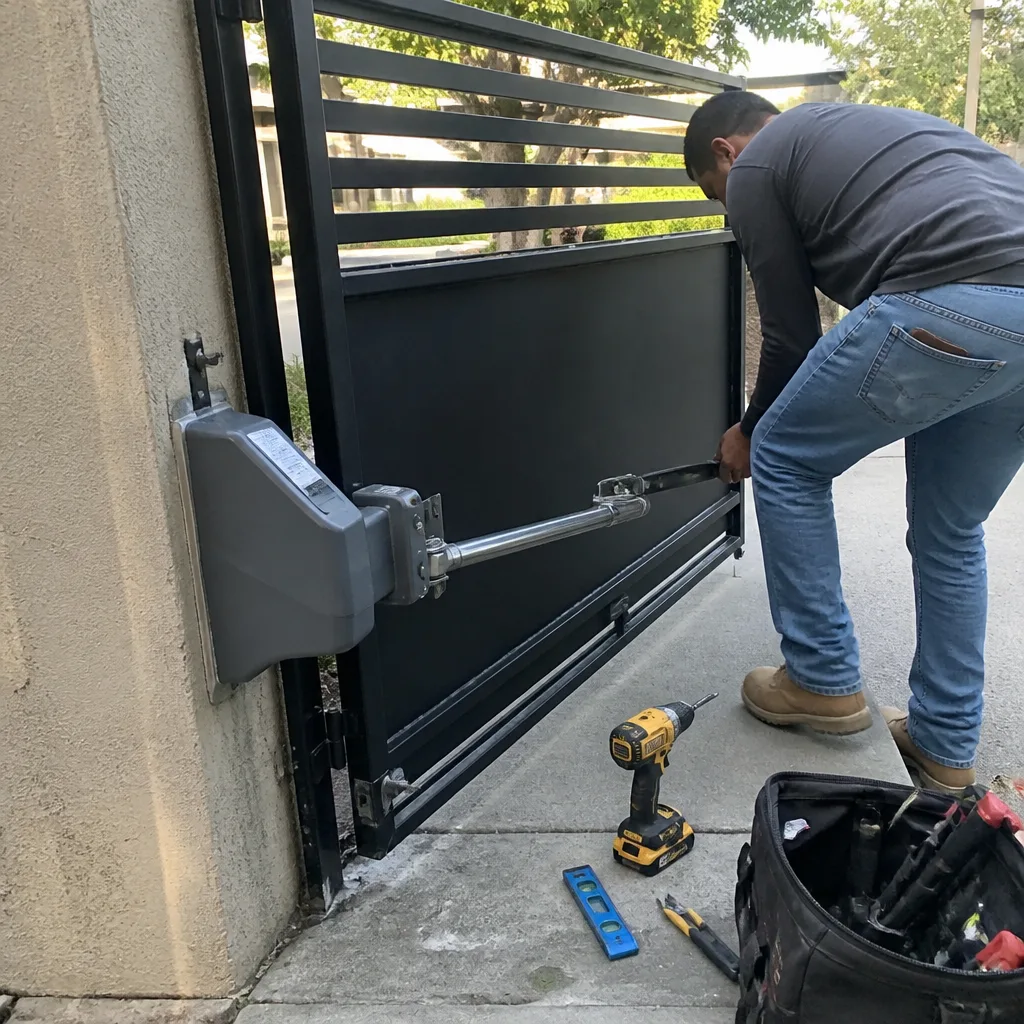 After
After